







Search Results for: coffee bed temperature
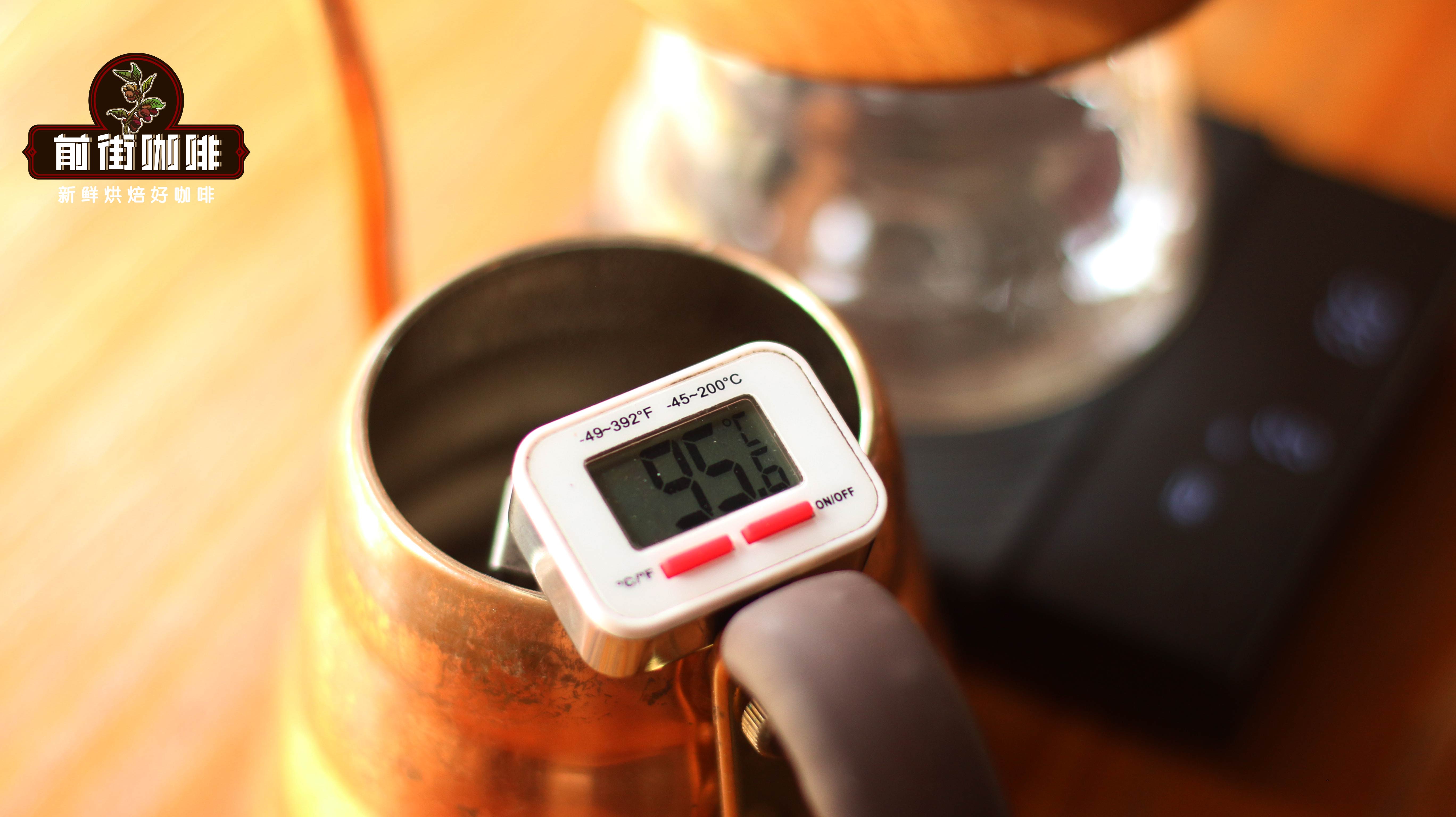
How Should You Set the Water Temperature for Pour-Over Coffee? An Analysis of the Relationship Between Brewing Temperature and the Actual Extraction Temperature in the Coffee Bed
What temperature should the water be for pour-over coffee? Mainstream recommendations fall between 86°C and 93°C; lightly roasted beans suit higher temperatures, while darkly roasted beans suit lower ones. But the water temperature in the brewing kettle and the actual extraction temperature that comes into contact with the coffee grounds are not the same thing. Through measured data, this article shows how the temperature inside the coffee bed changes starting from initial temperatures of 90°C and 93°C, and how raising the pouring height affects the actual extraction temperature. At the same time, drawing on Front Street Coffee's brewing parameters for beans of different roast levels, it helps coffee enthusiasts understand and apply water temperature more accurately in their daily brewing. [more…]
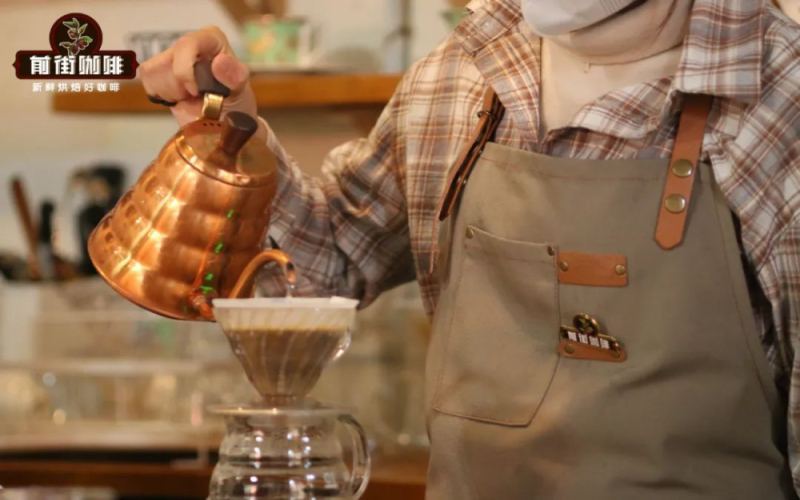
How does the size of the circular pouring motion in pour-over coffee affect the thickness of the coffee bed and the final flavor profile?
The pouring technique for pour-over coffee may seem simple, but in reality it has a subtle yet crucial impact on the final flavor. Pouring in large circles versus small circles creates filter cakes of different thicknesses, which in turn changes the temperature and water flow path during extraction, ultimately producing completely different flavor outcomes. Starting from Front Street Coffee's brewing practice, this article analyzes in detail how circle size affects filter cake thickness, actual extraction water temperature, and the role of the V60's guiding ribs, and gives specific pouring recommendations for light-roast and dark-roast coffee beans respectively, helping enthusiasts flexibly adjust their technique according to the flavor goal they want. [more…]
A Beginner's Guide to Pour-Over Coffee: Complete Basics from Three-Pour Technique to Reading the Coffee Bed
Many coffee enthusiasts who have purchased coffee beans from Front Street Coffee often ask in the backend about the specific method for brewing pour-over coffee. This article will systematically organize the introductory knowledge of pour-over coffee for beginners, starting with a detailed interpretation of two professional videos, covering key steps such as wetting the filter paper, controlling the blooming time, and the technique of pouring water in stages, and will explain in detail the setting principles of the four core parameters: grind size, water temperature, coffee-to-water ratio, and brewing duration. In addition, through various illustrations of coffee bed states, the article also helps readers determine whether the extraction is even, and provides troubleshooting ideas for common problems such as the coffee bed not blooming, bitter coffee, and insufficient flavor. [more…]

Ten easily overlooked details in pour-over coffee, Front Street breaks them down for you one by one
Many coffee enthusiasts, when brewing pour-over coffee, follow established parameters yet the final flavor often deviates from expectations—the problem usually lies in those easily overlooked operational details. Front Street Coffee has compiled ten points that beginners most often neglect, covering pre-grinding burr rinsing, filter paper fitting, tapping the dripper, checking before pouring, timing of water temperature confirmation, parameter execution, bloom saturation, focusing on the coffee bed rather than the scale, shaking for evenness, and correctly interpreting the shape of the spent coffee bed. These details may seem minor, but they directly affect extraction uniformity and the final taste. Mastering them will help you pinpoint the source of problems more quickly during troubleshooting, bringing every cup closer to the ideal state. [more…]
A Complete Guide to Pour-Over Coffee: A Practical Analysis of Grind Size, Pouring Technique, Coffee-to-Water Ratio, and Water Temperature
Many coffee enthusiasts buy beans to take home after enjoying a satisfying cup at a café, only to find that their own brews always seem to fall a bit short. To address this common frustration, Front Street Coffee has identified the four most error-prone stages: grind size, pouring technique, coffee-to-water ratio, and water temperature. Starting with the shape of the coffee bed after brewing, the article teaches you to judge where the problem lies by examining particle coarseness, muddiness, and drainage speed; it then analyzes the causes of weak or overly sour flavors from the details of pouring; and finally offers practical recommendations on coffee-to-water ratio and water temperature. Whether you are a beginner or looking to refine your technique, this systematic breakdown will help you find the right direction for adjustment. [more…]
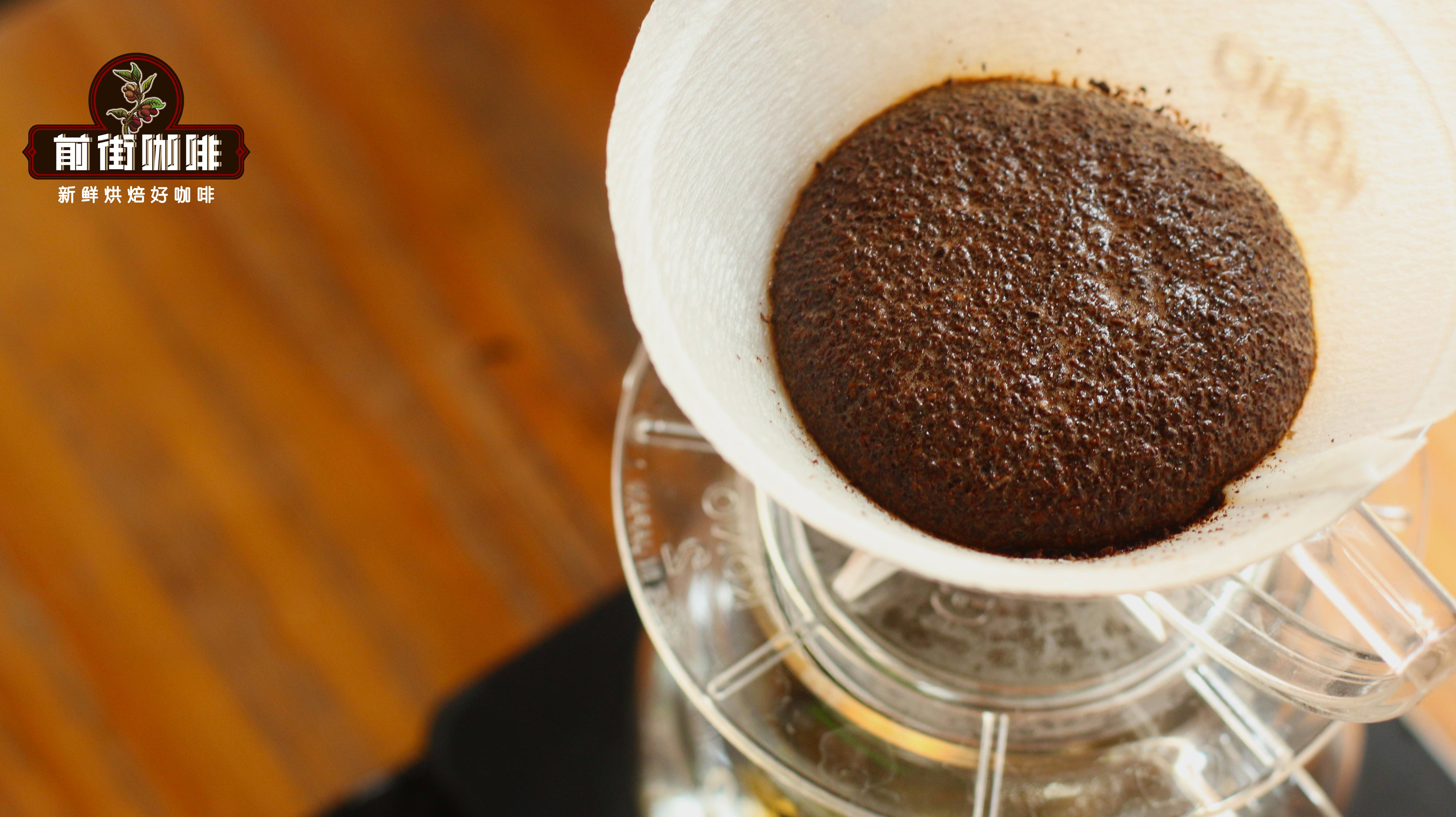
Why doesn't the coffee bed puff up during the bloom in pour-over? Understand the relationship between carbon dioxide and brewing parameters to easily achieve a full "hamburger" bloom
During a pour-over bloom, whether the coffee bed can puff up into a plump "hamburger" is a topic many enthusiasts care about. Some people use the same parameters yet always end up with a flat, deflated bed, and can't help wondering whether their bloom has failed. In fact, the principle behind the bed expanding isn't complicated: when coffee grounds contact hot water, they release carbon dioxide, and the bubbles accumulate within the bed, pushing it upward. Whether a pronounced dome forms mainly depends on the roast level and freshness of the coffee beans, as well as whether the brewing parameters are appropriate. Drawing on Front Street Coffee's brewing experience, this article breaks down the mechanism of bed expansion, explains the advantages of dark-roasted and fresh beans, while also cautioning about the extraction problems that overly fresh beans can cause, and offers recommendations on grind size, water temperature, and other parameters to help you read information about your coffee beans through the state of the bloom. [more…]
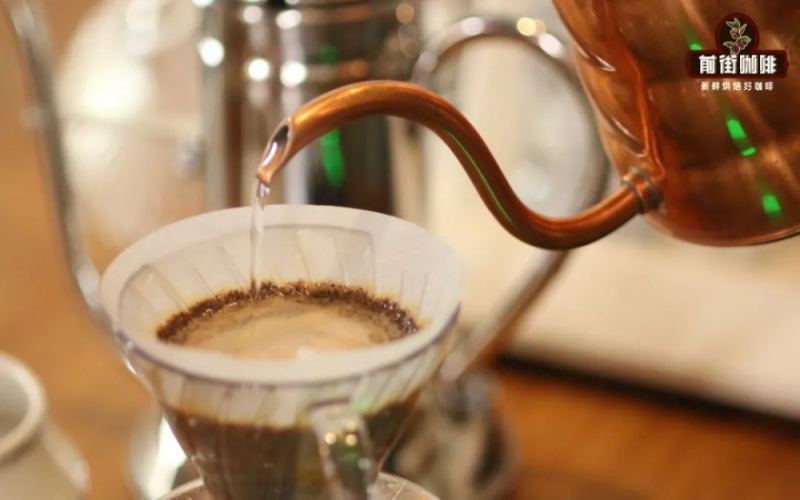
Analyzing the Timing of Pauses in Three-Pour Hand-Brewed Coffee: An Extraction Comparison Experiment Between Waiting for the Bed to Drain and Re-Pouring at the Halfway Point
In the three-pour method for pour-over coffee, the timing of the third pour is often overlooked—should you wait for the coffee liquid to completely drain before pouring, or should you top up promptly once the water level drops by half? Front Street Coffee conducted two sets of comparative experiments, using Costa Rica Strawberry Candy and washed Yirgacheffe beans respectively, to analyze in depth the practical differences between the two pouring methods from the dimensions of aroma, flavor, extraction time, and coffee bed state. The experiments revealed how the timing of the pour affects the temperature of the coffee bed, fine migration, and the final flavor performance, while also explaining why beans of different hardness show completely different results when faced with waiting for the liquid to drain. This article will present the full experimental process and conclusions to help coffee enthusiasts understand the core logic of judging when to pour in the three-pour brewing method, and provide Front Street's practical recommendations. [more…]
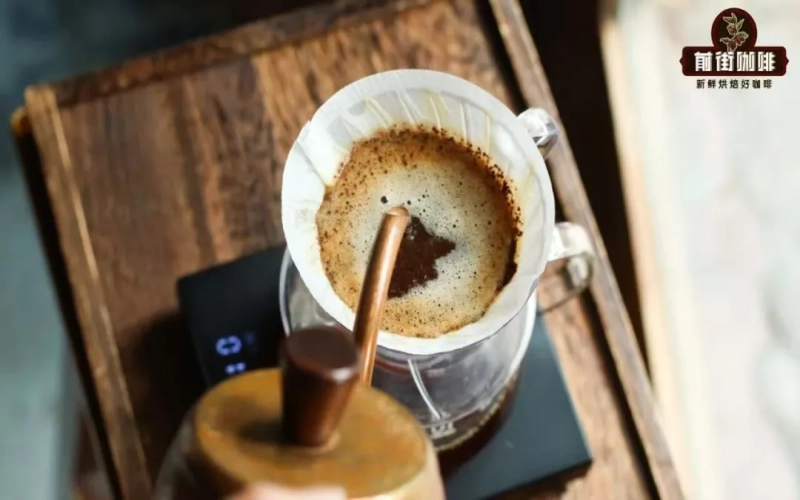
Pour-Over Coffee Dripper Buying Guide: A Full Breakdown of Bed Structure, Flow Rate, and Material, Plus Front Street Recommendations
Faced with a dazzling array of pour-over drippers, many coffee lovers often don't know where to start. In fact, the differences between drippers mainly come down to three aspects: the bed structure, the flow rate, and the material choice. The bed structure determines the evenness of extraction and the layering of flavors—cone-shaped, flat-bottomed, and wedge-shaped each have their own characteristics; the flow rate is affected by the rib design and the size of the outlet, with fast and slow rates leading to completely different flavor profiles; the material affects heat retention and price. Once you understand these differences, you can make a choice based on your personal taste preferences. Front Street Coffee will provide specific buying recommendations at the end of this article—just follow them and you can easily get started. [more…]
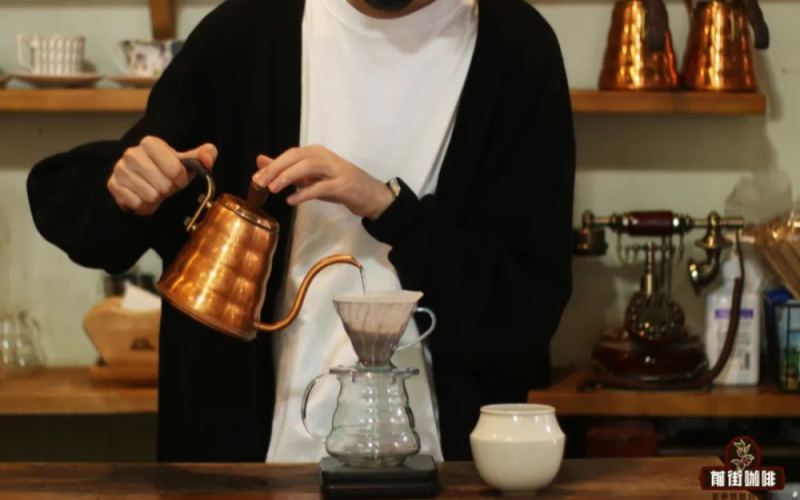
How to Keep Pour-Over Coffee Quality Stable as Temperatures Drop? A Full Guide to Water Temperature, Equipment Preheating, and Static Control
When cold air arrives, the extraction rhythm of pour-over coffee often gets thrown off. The originally set water temperature of 92°C may drop to only 87°C by the time it reaches the coffee bed, and a sudden drop in ambient temperature causes hot water to lose even more heat in the air, leading to under-extraction and a weak, flat flavor. In addition to raising the water temperature by 1–2°C or lowering the height of the pour, preheating the server and dripper can also significantly slow heat loss—an unheated server will cause the coffee liquid to drop to around 69°C, while after preheating it can be maintained at around 75°C. In addition, the static electricity generated during grinding in cold weather cannot be ignored either; coffee grounds tend to clump or stick to the grinder, which can be effectively solved with a distribution needle and a blower. This article starts with three key details to help you keep every cup of pour-over performing steadily. [more…]
Panama Elida ASD Anaerobic Low-Temperature Slow Natural Geisha: Four Pour-Over Brewer Methods and Flavor Comparison
Front Street recently acquired a Geisha coffee bean from Elida Estate in Panama, processed using the NATURAL-ASD anaerobic fermentation low-temperature slow sun-drying method—the same process used for this year's Panama BOP champion Geisha in the processing category. After the beans were properly rested, we tested brewing with a hollow filter cup, Ice Eye filter cup, cake filter cup, and diamond filter cup, standardizing the parameters to 15 grams of coffee, medium-fine grind, 90°C water temperature, and a 1:15 coffee-to-water ratio, recording the extraction time and flavor performance for each filter cup. Elida Estate is renowned for its sun-dried processing, and this ASD Geisha shines in fermentation aroma, juicy mouthfeel, and layered tea-like notes. Below, we share four specific brewing recipes and comparison results for coffee enthusiasts' reference. [more…]
What difference does brewing Costa Rican Finca La Diosa Geisha with different water temperatures make to its flavor profile?
Front Street Coffee recently launched a Costa Rican La Pastora Estate Geisha. The beans are full of floral aroma, the green beans are pale green and elongated, and they smell of fresh bergamot and berries. To investigate how different water temperatures affect the flavor of these beans, we brewed them at 93°C, 92°C, 91°C, and 90°C, keeping all other parameters the same. The results showed that the high-temperature extraction had a fuller mouthfeel but relatively simple flavor layering, while the lower water temperatures presented a richer fruity tea-like quality and a refreshing mouthfeel. If you are also wondering what water temperature to use for Geisha, take a look at the detailed record of this comparative brewing. [more…]
Avoiding Common Misconceptions for Pour-Over Coffee Beginners: Correct Understanding of Water Temperature, Pouring Technique, Blooming Dome, and Bitterness Release
Self-learning pour-over coffee may seem to have a low barrier to entry, and tutorials and shared tips are everywhere online, but the scattered, unsystematic nature of this information can easily lead beginners into various misconceptions and operational pitfalls. This article compiles the frequently asked questions Front Street Coffee has recently received, covering common myths one by one: understanding extraction parameters, the habit of washing the coffee bed wall while pouring, the pros and cons of pouring from a high position, whether a lack of blooming means the beans are not fresh, and whether bitterness is only released in the final phase. Whether you are just starting out with pour-over or have been brewing for a while but still find the flavor falls short of expectations, you can use this to check yourself, avoid these easily stumbled-into traps, and make your extraction more stable and your coffee taste better. [more…]
Pour Over for Dark Roasts: How to Avoid Bitter, Burnt, Undrinkable Coffee — Brewing Tips for Medium-Dark Mandheling, Blue Mountain, and Brazilian Beans
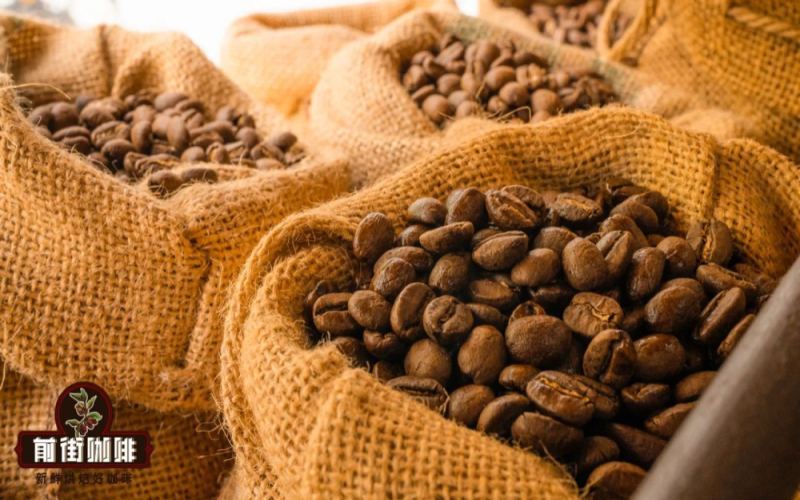
Deeply roasted coffee beans are characterized by a dark chocolate-like bitterness, while also delivering a rich mouthfeel and traditional caramel aroma. However, these beans also tend to release an unpleasant bitterness during brewing. This article approaches the issue from three angles—water temperature adjustment, coffee bed state, and coffee-to-water ratio—and, by combining the flavor characteristics of three representative beans—Front Street Coffee PWN Golden Mandheling, Front Street Coffee Jamaican Blue Mountain, and Front Street Coffee Brazil Queen Estate—analyzes how to avoid negative flavors such as burnt bitterness and woody notes, while preserving caramel sweetness and a clean finish, helping enthusiasts brew the rich body and sweetness that deeply roasted beans should have. [more…]
Pour-over coffee knowledge | Why doesn't the coffee bed puff up during blooming? Does a single-origin bean that doesn't puff up mean poor quality? Does a bigger coffee bed puff mean the coffee is fresher?
Whenever Front Street brews a pour-over for a customer's order, if the coffee bed puffs up quite a bit during blooming, there's a good chance the customer will ask: "Why doesn't my coffee bed puff up this much when I brew?" This is a topic Front Street often discusses! Honestly, although the bloom [more…]
How to Choose the Coffee-to-Water Ratio for Pour-Over? Testing Flavor Differences from 1:15 to 1:18 Using Butterfly Geisha as an Example
Among the many variables in pour-over coffee, the brew ratio is often overshadowed by grind size and water temperature, yet the amount of water directly determines the direction of the final cup's flavor. Front Street Coffee used a washed Butterfly with 70% Geisha content as a sample and, while keeping grind size, water temperature, and brewing technique constant, conducted comparative brews using four brew ratios: 1:15, 1:16, 1:17, and 1:18, recording the extraction time and flavor performance of each ratio one by one. Starting from actual brewing data, this article will analyze how different brew ratios affect the concentration, complexity, and aftertaste of coffee, helping coffee enthusiasts find the brew ratio that better showcases the characteristics of flavor-rich beans like Geisha. [more…]
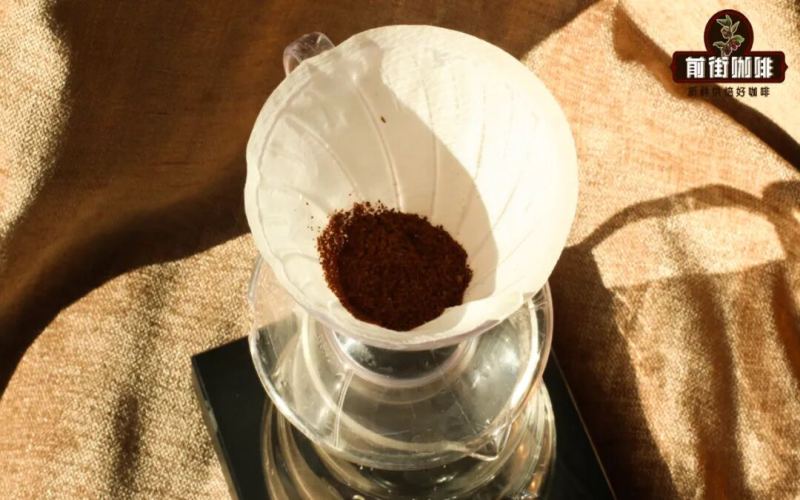
Pour-over coffee brewing method | How many coffee beans are needed to brew a pour-over? What are the difficulties of brewing coffee with a small dose? How to make pour-over coffee using only 5 grams of coffee beans
It might be used for making specialty coffee drinks, or perhaps you just want a light taste of coffee to get a hint of the flavor~ Occasionally, some friends have the idea of "brewing just a small cup of coffee with only a small amount of coffee beans." But if you've actually tried it, Front Street believes it shouldn't be hard to notice: compared to brewing with a large dose of coffee grounds, brewing a good cup with a small dose [more…]
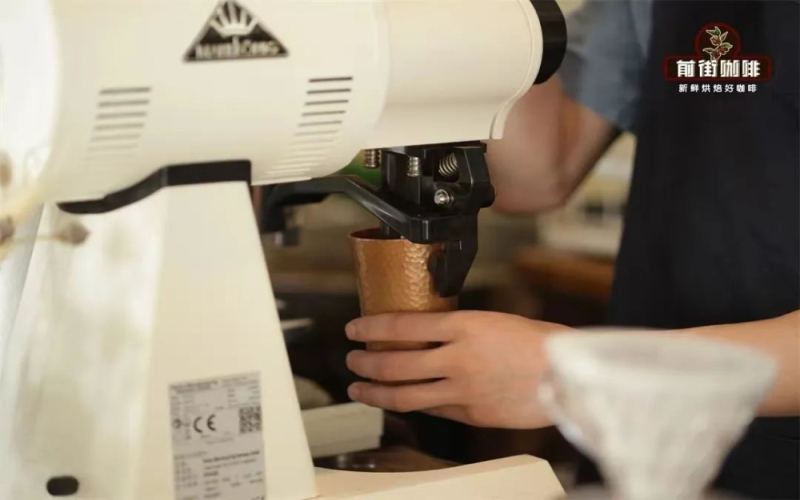
Common Pour-Over Coffee Grinding and Pouring Problems: 5 Major Factors Affecting Flavor and How to Fix Them
In the process of pour-over coffee, grinding setting mistakes or a coffee bed that doesn't bloom are situations many enthusiasts commonly encounter. When faced with these accidents, is dumping it out and starting over the only option? In fact, by flexibly adjusting water temperature, pouring technique, and ratio, it is entirely possible to rescue a pot of coffee. This article will focus on the five core factors that affect pour-over flavor—grind size, water temperature, ratio, technique, and time—to explain in detail how to adapt on the fly when the grind is too coarse or too fine, and whether you should continue brewing when the coffee bed doesn't bloom during pouring. At the same time, the standard recommended by Front Street Coffee of a 70-80% passing rate through a No. 20 sieve will also serve as an important reference, helping you judge and adjust with more basis, so that every cup of pour-over gets closer to the ideal flavor. [more…]
Pour-Over Coffee Ground-to-Water Ratio Tested: Using Blue Label Geisha as an Example, Which Ratio from 1:15 to 1:18 Is More Suitable?
Among the many variables in pour-over coffee, the coffee-to-water ratio is often overshadowed by grind size and water temperature, yet its influence on the final flavor profile cannot be ignored. Using the Blue Label Geisha from Panama's Hacienda La Esmeralda as a sample, Front Street Coffee fixed the grind size, water temperature, and brewing technique, changing only the coffee-to-water ratio, and conducted comparative brews with four parameter sets: 1:15, 1:16, 1:17, and 1:18. By recording the extraction time and flavor performance of each cup, the differences in coffee concentration, complexity, sweetness, and aftertaste under different ratios were analyzed, offering a reference for ratio selection when brewing flavor-rich beans like Geisha in daily practice. [more…]
What Is Pour-Over Coffee? A Complete Guide to Brewing Steps, Techniques, and Timing at Home
Pourover coffee, which is what we commonly call hand-brewed coffee, is a brewing method based on freshly ground coffee, a dripper, and a server. Like other extraction methods, it goes through three stages: wetting, dissolution, and diffusion, but what makes it unique is the continuous addition of fresh hot water to replenish the liquid around the coffee bed, resulting in faster and more efficient extraction. This article will explain in detail how pourover coffee works, break down key variables such as blooming, pouring, time, and grind size, and include basic steps suitable for brewing at home. Whether you are a beginner just getting into pourover or an enthusiast looking to refine your technique, you will find practical guidance here. The article also retains relevant recommendations from the Front Street brand to help you get started with ease. [more…]
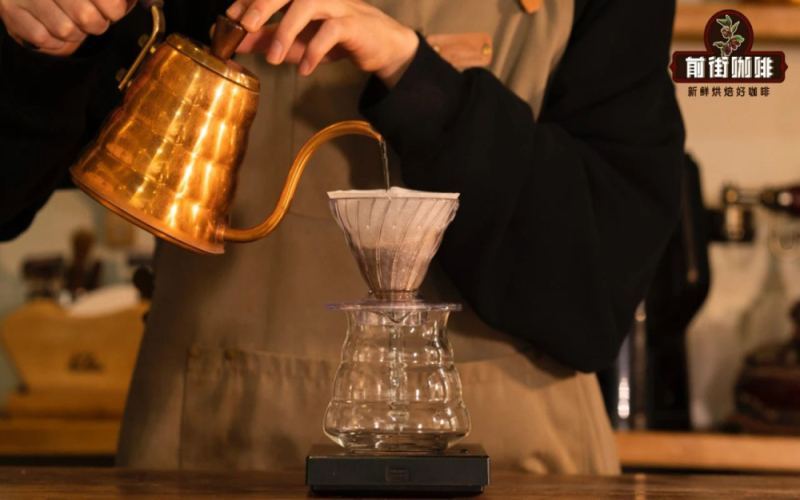
Pour-Over Coffee Grounds-to-Water Ratio and Key Brewing Points for Huakui Beans: An Analysis of Dose, Grind Size, Water Temperature, and Pouring Rhythm
To consistently brew a good cup of coffee, you can't get around the basic parameters of dose, grind size, water temperature, and coffee-to-water ratio. Once these are set reasonably, the remaining variable mainly comes down to pouring technique. This article focuses on these core steps, explaining the interplay between bed depth, extraction yield, and strength, and provides a three-pour approach suitable for beginners. It then uses the 2025 new-crop Natural Hualkui as an example to walk through a practical routine of 15 g coffee, 1:15, 91°C, and an 80% passing rate, while clarifying the concepts of Hualkui and Geisha that are often confused. The article also includes Front Street Coffee-related product and article recommendations. [more…]